





PPGD-UFSC 11 a 13 de novembro de 2026 · CCJ/UFSC
← anavanzin.com / trabalhos

A circulação das ideias e saberes franceses na ciência jurídica brasileira

TEMÁTICA:

Montesquieu

CONFERENCISTA

Serge Dauchy (CNRS/Université de Lille)

DEBATEDORES

Marja Mangili (UniCesusc)

Ana Vitória Vanzin Mendes (UFSC)

11 de novembro de 2026 15h10

ARCHIVAL RECORD · PRESENTED INTERVENTION PPGD/UFSC · CCJ FLORIANÓPOLIS

Delivered on 11 November 2026 at 15h10 BRT as invited discussant following Keynote Serge Dauchy (CNRS / Université de Lille).

📁 anavanzin.com / trabalhos ↗

INTERVENTION · V3 Discussing Dauchy’s Montesquieu — Context, reception and the representation of powers

1-Page Handout (PDF) ↗
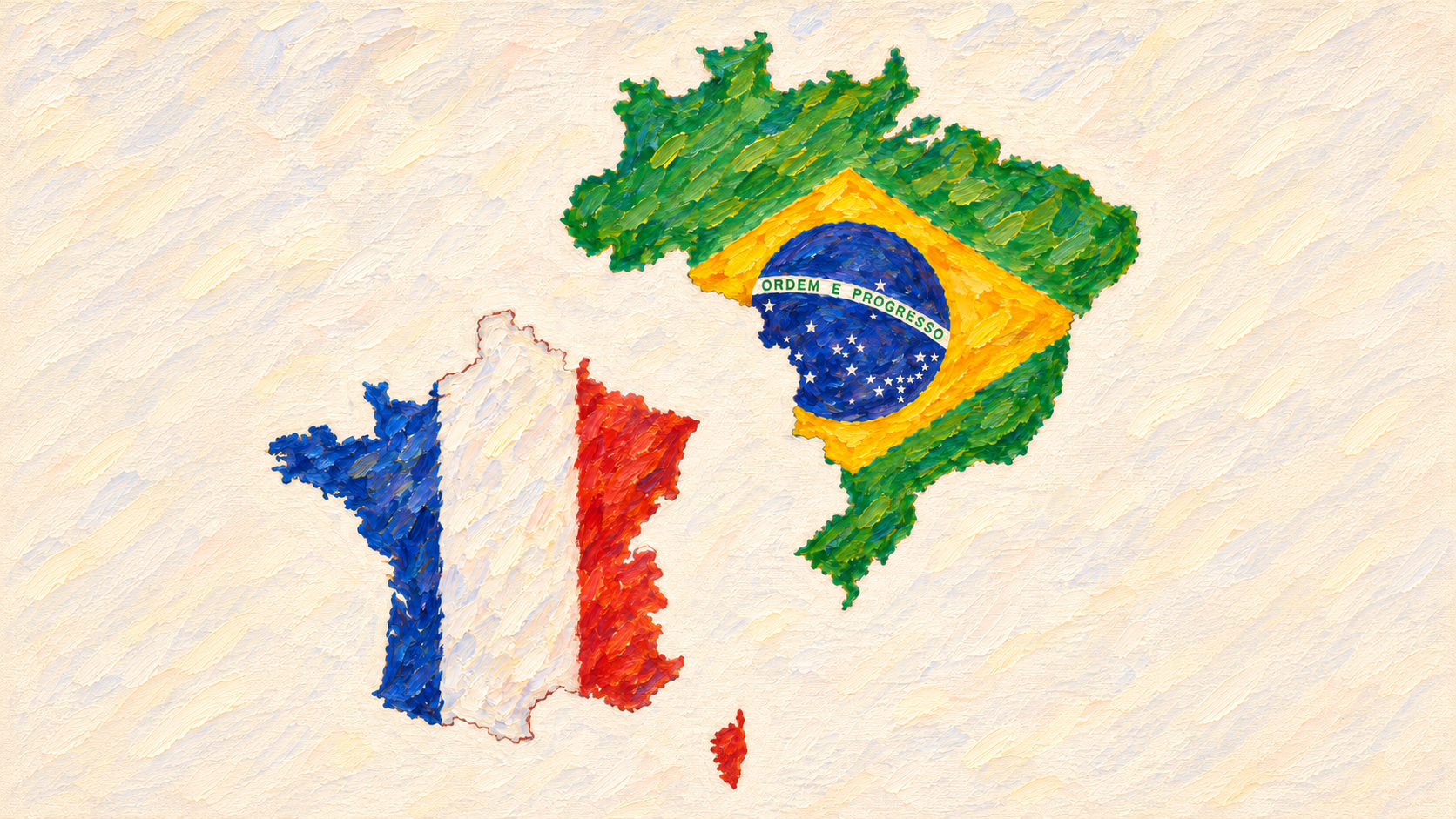
Oil-impasto painted map silhouettes of France in blue, white, and red tricolor beside Brazil in green, yellow, and celestial blue
UNIVERSIDADE FEDERAL DE SANTA CATINA · CCJ / PPGD

01 / 07 · DISCUSSING DAUCHY’S MONTESQUIEU · V3

DISCUSSING DAUCHY’S MONTESQUIEU

Context, reception and the representation of powers

Ana Vitória Vanzin Mendes · Discussant PPGD/UFSC · Florianópolis · 11 November 2026 · Conferencista: Serge Dauchy (CNRS/Université de Lille)
DAUCHY · ¶7 · THE SENTENCE I BUILD ON
« Enfermer Montesquieu dans une vision purement “constitutionnaliste” serait toutefois réducteur. »

To confine Montesquieu within a purely ‘constitutionalist’ vision would, however, be reductive. [tr. AVVM]

DAUCHY · ¶10 → ¶14 · FROM ROOTEDNESS TO HYBRIDITY

Moves from laws rooted in a particular history (« l’esprit général d’une nation », ¶10) to hybrid systems where « leurs frontières sont constamment renégociées » and your closing question on Clóvis Beviláqua’s 1916 Brazilian Civil Code (¶13–14).
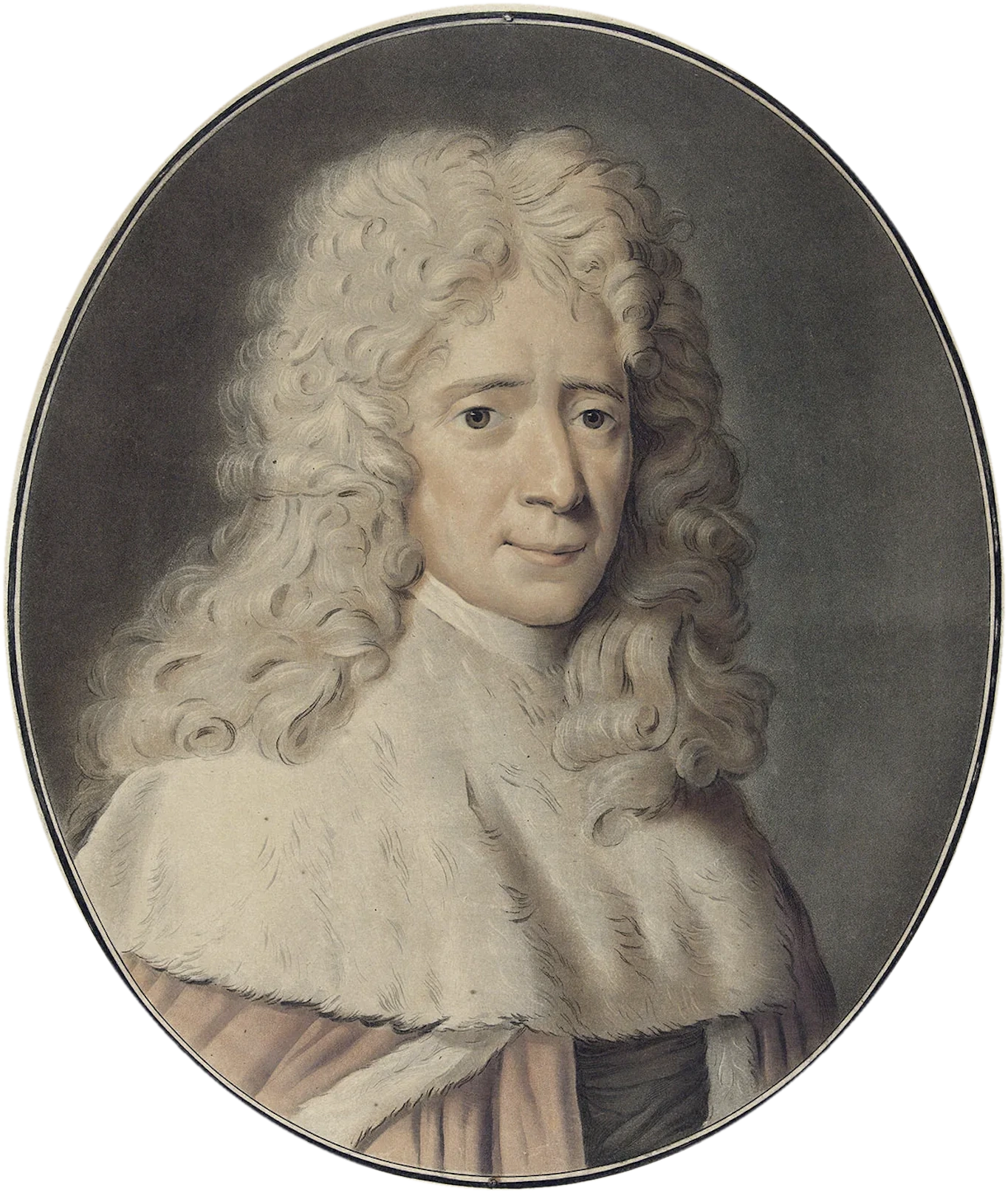

Oval portrait of Charles-Louis de Secondat, Baron de Montesquieu
Charles-Louis de Secondat, Baron de Montesquieu (1689–1755) · De l’esprit des lois (1748)
MY READING

Engaging Serge’s manuscript along its two main axes: why political liberty requires civil, criminal, and judicial guarantees beyond a written constitutional diagram (¶7), and how legal reception in Brazil forces us to rethink context when legal boundaries are renegotiated (¶6, ¶10–14).

HOW THE SLIDES SPEAK

DAUCHY

Your manuscript, quoted verbatim; ¶ numbers follow its order (¶1–14).

MONTESQUIEU

De l’esprit des lois, 1777 text, quoted verbatim.

OTHER SOURCE

Constitutions of 1824 and 1891; Watson and Legrand as you present them.

MY READING

My interpretation, set below the blue line on every slide. Translations marked [tr. AVVM].
02 / 07 · ANSWERING DAUCHY ¶7 & ¶8–10 · MONTESQUIEU XIX.4 (1777)

Political liberty beyond the constitutional formula

DAUCHY · ¶7 · BEYOND CONSTITUTIONALISM
« … les dispositions constitutionnelles capables d’assurer la liberté politique doivent être secondées par l’établissement de lois civiles et criminelles et par un cadre institutionnel (surtout judiciaire) … »

Constitutional dispositions capable of ensuring political liberty must be seconded by the establishment of civil and criminal laws and by an institutional (above all judicial) frame. [tr. AVVM]

Note on attribution: Dauchy’s phrase « système de liberté » (¶7) is treated here strictly as his analytical synthesis rather than a verified phrase from De l’esprit des lois.

MONTESQUIEU · XIX.4 · SLIDE 2 (1777 TEXT)
« Plusieurs choses gouvernent les hommes, le climat, la religion, les lois, les maximes du gouvernement, les exemples des choses passées, les mœurs, les manieres ; d’où il se forme un esprit général qui en résulte. »

Many things govern men: climate, religion, laws, the maxims of government, examples of past things, mores, manners; from which a general spirit is formed as a result. [tr. AVVM]

  • ¶7a
    Constitutional arrangements (« dispositif constitutionnel ») Necessary to prevent the abuse of power, yet reductive if read in isolation as a self-sufficient written formula.
  • ¶7b
    Civil & criminal laws + judicial frame (« surtout judiciaire ») Citizen security depends directly on criminal procedure, civil rules, and judicial institutions that second the constitution.
  • ¶8–10
    Natural & historical determinants (« esprit général », XIX.4) Climate, religion, laws, maxims of government, past examples, mores, and manners (« manieres ») shape whether liberty can take root.
MY READING

Political liberty is not a self-executing constitutional diagram: its concrete conditions of liberty lie in ordinary civil, criminal, and judicial protections working within the historical and social relations that Montesquieu calls the esprit général.

03 / 07 · ANSWERING DAUCHY ¶6 · CONSTITUIÇÃO POLÍTICA DO IMPÉRIO DO BRAZIL (1824), ART. 10

Brazil, 1824: circulation, correction, and four powers

DAUCHY · ¶6 · YOUR ACCOUNT OF BRAZILIAN CIRCULATION
1789 Conjuração Mineira 1798 Cipriano Barata’s confiscated library (Bahia) 1823 Constituent Assembly debates 1949 1st complete Portuguese translation
« La première Constitution brésilienne de 1824 adoptera certes une organisation originale inspirée du modèle théorique de Benjamin Constant et organisée en quatre pouvoirs … elle se présente néanmoins comme une évolution voire une correction de la tripartition des pouvoirs proposés par Montesquieu. »

Brazil’s first Constitution of 1824 adopted an original organisation inspired by Benjamin Constant in four powers, presented as an evolution, or even a correction, of Montesquieu’s tripartition. [tr. AVVM · Chronology shown as Dauchy’s account, ¶6]

OTHER SOURCE · CONSTITUIÇÃO DE 1824, ART. 10

« Art. 10. Os Poderes Politicos reconhecidos pela Constituição do Imperio do Brazil são quatro: o Poder Legislativo, o Poder Moderador, o Poder Executivo, e o Poder Judicial. »

1. Legislative (Legislativo) 2. Moderating (Moderador) 3. Executive (Executivo) 4. Judicial (Judicial)
CONSTITUTIONAL GEOMETRY (¶6)
Legislative Executive Judicial Moderating · Art. 10
MY READING

Circulation → argument → institution are distinct historical steps, not an automatic chain: Brazilian actors selectively combined Montesquieu and Benjamin Constant to build an independent imperial monarchy rather than adding a fourth Montesquieuan branch.

04 / 07 · ENGAGING DAUCHY ¶6–7 · CONSTITUIÇÃO DE 1891, ARTS. 15 & 44

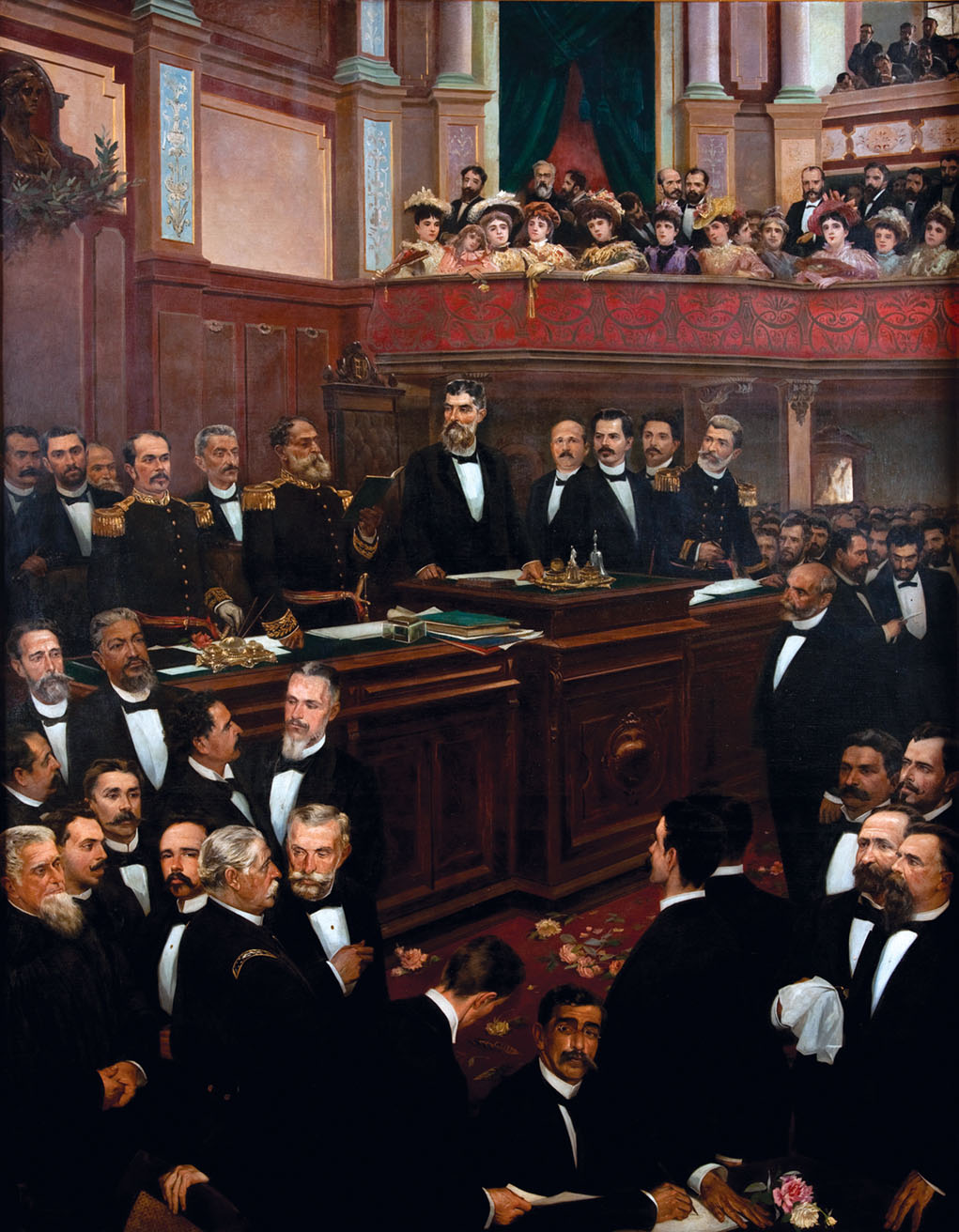
Compromisso Constitucional: executive authority under obligation

Aurélio de Figueiredo, Compromisso Constitucional, 1896. Represents Deodoro da Fonseca taking the constitutional oath of 26 February 1891 before Prudente de Moraes presiding at the centre
Aurélio de Figueiredo Compromisso Constitucional, 1896 (oil on canvas, 330 × 257 cm) Represents the oath of 26 February 1891 · Prudente de Moraes presiding at the centre
Museu da República · Oil on canvas, 330 × 257 cm · Reproduction: Romulo Fialdini
DAUCHY · ¶6–7 · WRITTEN CONSTITUTION & INSTITUTIONS

Engages Dauchy’s contrast between separating powers in a written « dispositif constitutionnel » and the institutional guarantees needed to restrain public power in practice (¶6–7).

OTHER SOURCE · CONSTITUIÇÃO DE 1891, ARTS. 15 & 44
  • ART. 44 · PRESIDENTIAL OATH (26 FEB. 1891)

    Deodoro da Fonseca holds the constitutional book to affirm: « Prometto manter e cumprir com perfeita lealdade a Constituição Federal … »

  • CENTRE OF THE CANVAS · CONSTITUENT CONGRESS

    Prudente de Moraes presides at the centre over the assembled Congress receiving the commitment.

  • ART. 15 · HARMONIOUS & INDEPENDENT POWERS

    « São orgãos da soberania nacional o Poder Legislativo, o Executivo e o Judiciario, harmonicos e independentes entre si. »

MY READING

The 1896 canvas makes executive authority under a constitutional obligation visible before Congress—yet a ceremony cannot prove that those institutions were independent in practice, and neither image is offered as evidence of a direct reception of Montesquieu.

05 / 07 · ENGAGING DAUCHY ¶7 & MONTESQUIEU XI.6 · STF, BRASÍLIA, 1961

A Justiça: the « null » power and the judicial frame

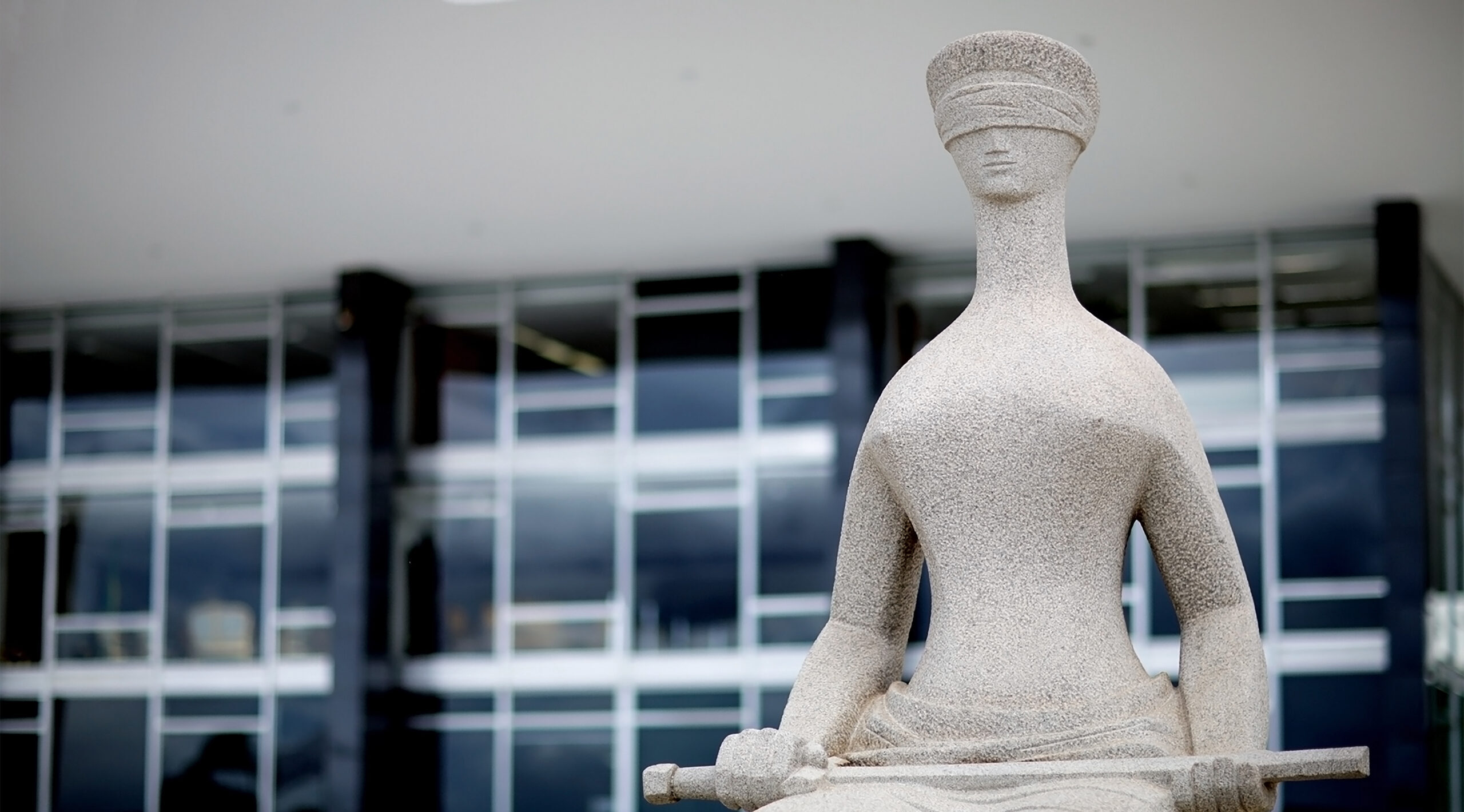
Alfredo Ceschiatti, A Justiça, 1961. Seated stone figure (“pedra de Petrópolis”, 3.30 m) holding a sword at rest across her lap in front of the Supremo Tribunal Federal, Brasília
Alfredo Ceschiatti A Justiça, 1961 · Stone (“pedra de Petrópolis”), 3.30 m Supremo Tribunal Federal · Praça dos Três Poderes, Brasília
Stone (“pedra de Petrópolis”), 3.30 m · Photograph: Fellipe Sampaio / STF
MONTESQUIEU · XI.6 · SLIDE 5 (1777 TEXT)
« Des trois puissances dont nous avons parlé, celle de juger est en quelque façon nulle. »

Of the three powers we have spoken of, that of judging is in some fashion null. [tr. AVVM]

DAUCHY · ¶7 · INSTITUTIONAL & JUDICIAL FRAME

Dauchy stresses that constitutional provisions must be seconded by « l’établissement de lois civiles et criminelles et par un cadre institutionnel (surtout judiciaire) » (¶7).

PRAÇA DOS TRÊS PODERES · CIVIC SETTING

Positioned before the Supreme Federal Court, sharing a modernist civic square with Congress and the presidential palace.

MY READING

The sword resting across Justice’s lap is treated here as a contextual hypothesis about judicial autonomy without brandishing force—yet stone stages an ideal, whereas citizens’ security depends on whether judges are shielded from interference and whether civil and criminal laws protect them (¶7). Neither artwork proves direct reception of Montesquieu.

06 / 07 · ANSWERING DAUCHY ¶10, ¶11–12 & ¶13–14 · MONTESQUIEU I.3 · WATSON & LEGRAND · 1916 CODE

Transplants, hybridity, and the Code of 1916

MONTESQUIEU · I.3 · SLIDE 6 · QUOTED IN YOUR ¶10
« Elles doivent être tellement propres au peuple pour lequel elles sont faites, que c’est un très-grand hasard si celles d’une nation peuvent convenir à une autre. »

They must be so proper to the people for whom they are made that it is a very great chance if those of one nation can suit another. [tr. AVVM]

OTHER SOURCE · WATSON 1974 (IN ¶11)

Alan Watson: rules move & grow

Spatial transfers: a transplanted rule « se développera dans son nouveau corps » (“will grow in its new body”) and continue to evolve in the receiving system.

OTHER SOURCE · LEGRAND 1997 (IN ¶11–12)

Pierre Legrand: « contextualité »

Legal meaning depends on cultural context (MJ 4(2): 111–124); crossing borders alters meaning, so transplants are declared « impossibles ».

DAUCHY · ¶13–14 · HYBRIDITY & 1916 CODE

Historical hybridity & Beviláqua

« transplantations imposées, de réceptions assumées, de souverainetés changeantes … leurs frontières sont constamment renégociées » — closing with Clóvis Beviláqua’s 1916 Brazilian Civil Code.

MY READING

Context is not only a prior barrier inside a closed national society: context is also made and renegotiated through contact between legal orders. The historical question is therefore: what moves as legal form, and what changes in legal meaning?

07 / 07 · TWO QUESTIONS FOR THE DISCUSSION · ENGAGING DAUCHY ¶6–14

Two questions for Serge

DAUCHY · ¶13–14 · RENEGOTIATION OF LEGAL BOUNDARIES

« … conséquences de transplantations imposées, de réceptions assumées, de souverainetés changeantes et donc de superpositions de systèmes juridiques successifs … leurs frontières sont constamment renégociées. » — occurring through « un contact direct entre les ordres juridiques au sein d’un discours juridique mondial » (Teubner, cited in ¶14; 1916 Civil Code).

DAUCHY · ¶6–7 · LIBERTY BEYOND THE CONSTITUTIONAL FORMULA

« Enfermer Montesquieu dans une vision purement “constitutionnaliste” serait toutefois réducteur. » — requiring « lois civiles et criminelles » and « un cadre institutionnel (surtout judiciaire) ».

MY READING · TWO QUESTIONS FOR THE DISCUSSION

You move from Montesquieu’s insistence that laws belong to a particular people (I.3) to hybrid legal orders whose boundaries are constantly renegotiated through imposed transfers, assumed receptions, and direct contact between legal orders (¶13–14). When a legal form acquires a different meaning in another setting, how should we describe that transformation—and at what point does contextual difference cease to be an objection to transplantation and instead identify the boundary-renegotiation process we need to study?

Engaging ¶10–14 · From rooted laws (Montesquieu I.3) and Watson/Legrand to « leurs frontières sont constamment renégociées » and the 1916 Civil Code: what evidence distinguishes borrowing from a change of legal meaning?

In the Brazilian examples you raise, what evidence would allow us to move between the circulation of Montesquieu’s writings, the appropriation of his arguments and the organisation of political authority? Could institutional ceremonies and images help identify that appropriation, provided that their connection to the texts is documented?

Engaging ¶6–7 · Beyond a purely “constitutionalist” reading: where would you begin investigating a “system of liberty” across civil, criminal, and judicial guarantees?

Appendix · Documentary Register & Citation Check (v3 · Prepared 5 Nov 2026)

Sources, voice code and verification register

Voice Code & Paragraph Map

Every slide separates verbatim sources above the #1F35FF horizontal line (DAUCHY, MONTESQUIEU 1777 edition, and OTHER SOURCE) from Ana Vitória’s interpretation below it (MY READING, translations marked [tr. AVVM]), while the right strip maps Serge Dauchy’s 14-paragraph manuscript (¶6 to ¶14).

Cases on Screen & Attribution Discipline

Slide 04 examines Aurélio de Figueiredo’s Compromisso Constitucional (1896, oil on canvas, 330 × 257 cm, Museu da República; Deodoro’s oath, 26 Feb. 1891; Prudente de Moraes at the centre). Slide 05 examines Alfredo Ceschiatti’s A Justiça (1961, stone — “pedra de Petrópolis”, 3.30 m, STF, Brasília). Neither artwork is offered as evidence of a direct reception of Montesquieu.

Timing & Lectern Script (~1,089 words)

At 125 wpm with 45 seconds of marked pauses, the 7-page Lectern Script runs 9:28 (9:08 at 130 wpm; 9:49 at 120 wpm; 9:34 at 120 wpm if Slide 05’s [ADDED, CUTTABLE] sentence on Montesquieu XI.6 is omitted). Press L to open the script or toggle the cuttable sentence live.

  1. S1

    DAUCHY, Serge. Montesquieu, De l’esprit des lois (1748). 2026. Unpublished conference manuscript, 14 paragraphs (PPGD/UFSC, 11 November 2026), engaged verbatim across Slides 01–07 (esp. ¶6, ¶7, ¶8–10, ¶11–12, and ¶13–14).

  2. S2

    MONTESQUIEU, Charles-Louis de Secondat, Baron de. Esprit des lois (1777). Livre I, chap. 3; Livre XI, chap. 6; Livre XIX, chap. 4. In: WIKISOURCE: Wikisource · Esprit des lois (1777) (accessed 5 Nov. 2026).

  3. S3

    BRASIL. Constituição Política do Império do Brazil (25 March 1824), art. 10 (in exact constitutional order: Legislativo, Moderador, Executivo, Judicial); Constituição da República dos Estados Unidos do Brasil (24 February 1891), arts. 15 and 44. Câmara dos Deputados: Publicação Original.

  4. S4

    FIGUEIREDO, Aurélio de. Compromisso Constitucional, 1896. Oil on canvas, 330 × 257 cm. Museu da República, Rio de Janeiro (represents Deodoro da Fonseca’s oath of 26 February 1891 with Prudente de Moraes presiding at the centre; reproduction credit: Romulo Fialdini): Museu da República · Acervo Museológico.

  5. S5

    CESCHIATTI, Alfredo. A Justiça, 1961. Stone (“pedra de Petrópolis”), 3.30 m. Supremo Tribunal Federal, Praça dos Três Poderes, Brasília (photograph credit: Fellipe Sampaio / STF; cf. SIMIONI, Rafael Lazzarotto, Suprema, 2021, in speaker notes): STF · Acervo Cultural.

  6. S6

    WATSON, Alan, Legal Transplants (1974, as presented in Dauchy ¶11); LEGRAND, Pierre, “The Impossibility of ‘Legal Transplants’”, Maastricht Journal of European and Comparative Law 4(2): 111–124 (1997, as presented in Dauchy ¶11–12); TEUBNER, Gunther, “Legal Irritants”, Modern Law Review 61(1): 11–32 (1998, in notes to ¶14).

Citation Check (5 November 2026 · v3)

✓ = checked against primary text online · ⚠ = carried forward or explicitly attributed
Item on Screen Status Verification Note
Dauchy quotations on slides 1, 2, 3, 6, 7 (¶6, ¶7, ¶8–10, ¶11–14) ✓ Automated verbatim match against the 14-paragraph manuscript. Slide 1 renders inner « constitutionnaliste » as “ ”.
Montesquieu I.3 « c’est un très-grand hasard … » (Slide 6) ✓ Wikisource, 1777 edition, Livre I, chap. 3 (quoted in Dauchy ¶10).
Montesquieu XIX.4 « Plusieurs choses gouvernent les hommes … » (Slide 2) ✓ Wikisource, 1777 edition, Livre XIX, chap. 4 (1777 spelling « manieres » preserved).
Montesquieu XI.6 « … celle de juger est en quelque façon nulle » (Slide 5) ✓ Wikisource, 1777 edition, Livre XI, chap. 6.
Constituição 1824, art. 10 & Constituição 1891, arts. 15, 44 (Slides 3–4) ✓ Câmara dos Deputados, publicações originais (exact 1824 order: Legislativo, Moderador, Executivo, Judicial).
Compromisso Constitucional (1896, 330 × 257 cm) & A Justiça (1961, 3.30 m, stone / “pedra de Petrópolis”) ✓ Museu da República catalogue & STF visitor article (corrected from v2 “granite” to “stone”; photo credits ⚠ carried forward).
Legrand (1997), MJ 4(2): 111–124 & Watson (1974), “will grow in its new body” ✓ / ⚠ Legrand volume/pages confirmed (✓); Watson quoted as presented in Dauchy ¶11 (⚠ exact page not re-checked).
« système de liberté » (¶7) & Brazilian reception chronology (1789, 1798, 1823, 1949 in ¶6) ⚠ « système de liberté » kept off Montesquieu chip as Dauchy’s attribution; Slide 3 chronology explicitly labeled as Dauchy’s account.
Open 1-Page Handout PDF PDF ↗ Return to Slide 01

DISCUSSING DAUCHY’S MONTESQUIEU · V3 · ANA VITÓRIA VANZIN MENDES

7-Page Lectern Script & Backstage Preparation Notes

1,089 words · 45s marked pauses · ≈ 9:28 at 125 wpm (target 10:00). Bracketed cues are silent.

VERTICAL MOBILE PREVIEW · 9:16 STORIES · 1080 × 1920

Stories Preview · 7-Slide Walkthrough

Guided walkthrough beginning with the PPGD-UFSC Event Poster landing screen, followed by the complete 7-slide sequence with interactive callouts and Chopin’s Nocturne Op. 9 No. 2 ambient piano, formatted in vertical 9:16 for Instagram Stories, TikTok, YouTube Shorts, and WhatsApp.

SHARE & DISTRIBUTE STORIES (9:16) Direct share to social apps
⬇️ Download 9:16 Stories Video (.mp4)

ANAVANZIN.COM PORTFOLIO INTEGRATION

Embed & Link to anavanzin.com/projetos

Use these ready-to-paste snippets to feature this presentation inside your main website portfolio at www.anavanzin.com/trabalhos or /projetos.

1. RESPONSIVE IFRAME EMBED (FOR WEBFLOW / WORDPRESS / CMS)
<div style="position:relative;padding-bottom:56.25%;height:0;overflow:hidden;border-radius:8px;box-shadow:0 10px 30px rgba(0,0,0,0.15);">
  <iframe src="https://anavanzin.com/montesquieu/" title="Discussing Dauchy’s Montesquieu · Ana Vitória Vanzin Mendes" allowfullscreen style="position:absolute;top:0;left:0;width:100%;height:100%;border:0;"></iframe>
</div>
2. PORTFOLIO CARD HTML (FOR WORKS GRID)
<a href="https://anavanzin.com/montesquieu/" class="work-card" target="_blank" rel="noopener">
  <img src="https://anavanzin.com/montesquieu/public/assets/aistudio/c9c1d695-f5e3-4da2-b7dc-d4a3788e04bf_3353c5b9.png" alt="Discussing Dauchy’s Montesquieu" />
  <div class="work-info">
    <span class="tag">PPGD/UFSC · Intervenção Acadêmica</span>
    <h3>Discussing Dauchy’s Montesquieu: Context, reception and the representation of powers</h3>
    <p>Conferencista: Serge Dauchy · Debatedora: Ana Vitória Vanzin Mendes (11 Nov 2026)</p>
  </div>
</a>
3. MARKDOWN LINK (FOR CURRICULUM LATTES / GITHUB / README)
[Discussing Dauchy’s Montesquieu (PPGD/UFSC 2026)](https://anavanzin.com/montesquieu/) — Debatedora: Ana Vitória Vanzin Mendes
Open anavanzin.com/projetos ↗

Confirm action

Are you sure you want to proceed?